
Avoid Moving Scams in Arizona: Broker Red Flags + How to Check DOT Status

Let’s be real: moving is already stressful. You shouldn’t also have to play detective, accountant, and part-time hostage negotiator because someone “recalculated your quote” after your stuff is on a truck.
This guide will help you avoid the most common moving scams in Arizona, understand why moving brokers are a gamble, and verify a mover’s USDOT/MC status using the SAFER system.
And yes—there’s a simple checklist at the end you can screenshot.
The scam playbook (and why it works)
Most moving scams aren’t magic—they’re pressure + confusion:
“Today-only” pricing
A cheap estimate with zero detail
A big deposit upfront
Vague paperwork
Then… the price jumps when it’s too late to pivot
The Federal Motor Carrier Safety Administration even runs a consumer program called “Protect Your Move” specifically to help people avoid moving fraud.
Movers vs. brokers: why this difference matters a lot
Here’s the cleanest way to say it:
A mover (carrier):
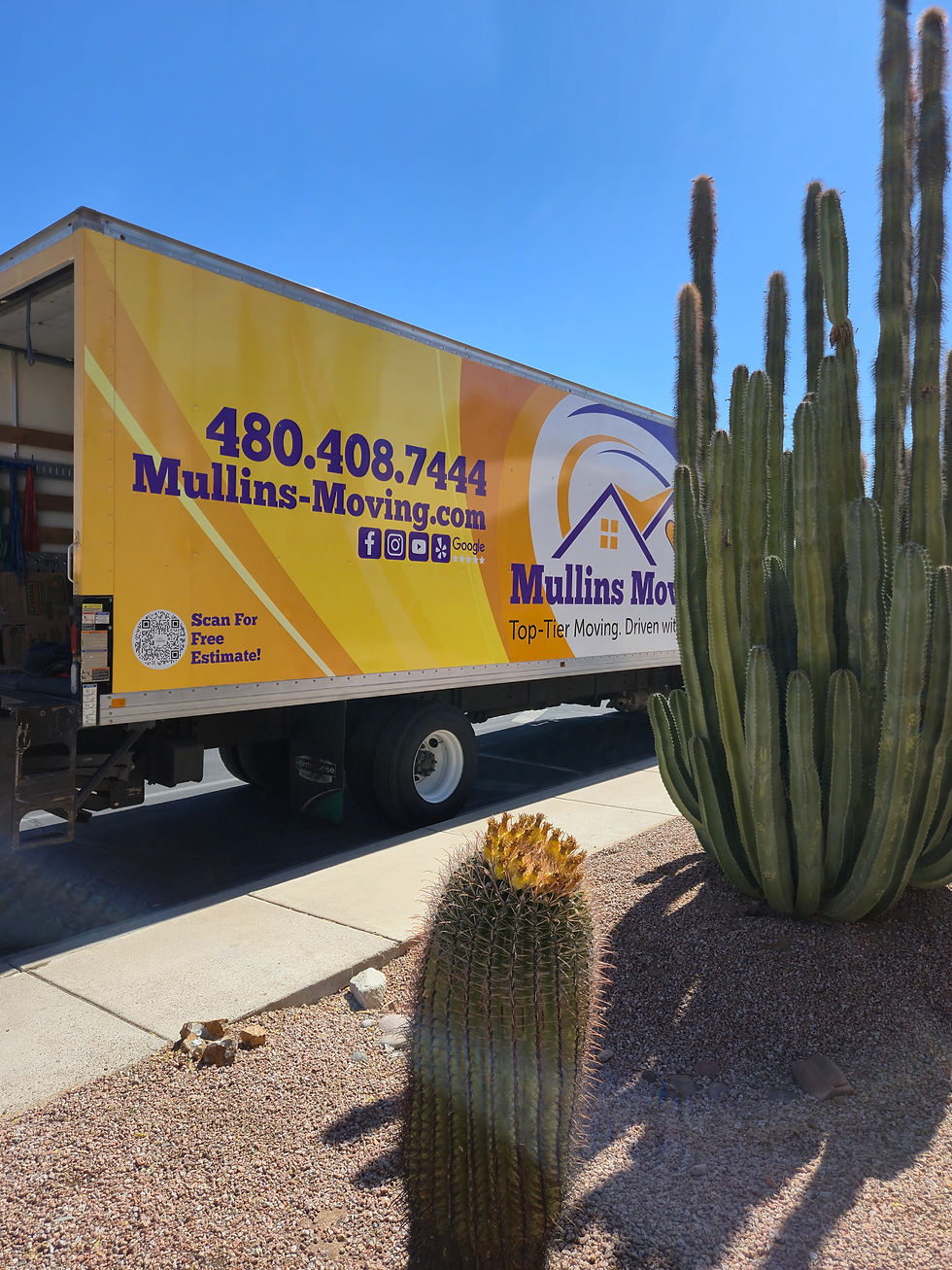
Owns trucks, employs crews, and is responsible for transporting your household goods.
A broker:
A broker arranges transportation and sells the job to another company. FMCSA is blunt about this: a moving broker is not a mover and does not transport your goods.
Why clients should avoid brokers (the practical reasons):
You don’t truly know who’s showing up. Your “mover” may be a call center, and the actual carrier can change. FMCSA notes that many brokers operate from call centers, and you can end up without a mover if they can’t place the job.
Accountability gets messy. When something goes wrong, brokers often point to the carrier, and the carrier points back. You’re stuck in the middle.
Bait-and-switch risk is higher. Lowball quote → schedule locked → price jumps after load day (or at delivery). That’s the classic nightmare scenario.
Estimates can be based on someone else’s pricing rules.FMCSA says brokers must base estimates on the tariff of the mover that will transport your shipment—meaning the real pricing can hinge on a company you haven’t even met yet.
Bottom line: If you want fewer surprises, hire a company that actually does the move.
The “green flag” checklist (what reputable movers do)
When you’re vetting movers, here’s what you want to see:
They clearly state whether they are a mover or a broker (ask directly)
They provide a physical address, not just a website
They can give you a written estimate with clear terms
They can provide USDOT/MC info (for interstate moves)
Their reviews and company name match across platforms
They don’t demand a huge deposit “right now.”
The Better Business Bureau and local trade associations can also help you spot patterns of complaints.

How to check DOT status using SAFER (this takes 60 seconds)
If a company is doing interstate household-goods moves, you can verify them through FMCSA’s SAFER system. FMCSA explains that the Company Snapshot is a free record showing identification and safety/inspection info.
Step-by-step
Get the mover’s USDOT number and MC number (if they have one).
Look up the company in SAFER Company Snapshot.
Confirm these items:
USDOT Status: should be ACTIVE
Operating Authority: should show AUTHORIZED (for HHG/Property where applicable)
Company name/address/phone match what’s on their paperwork
Click Licensing & Insurance in SAFER to confirm they have what they claim to have.
Example (Mullins Moving)
Mullins Moving lists USDOT 4250923 and MC 1647731. SAFER shows USDOT Status: ACTIVE and Operating Authority: AUTHORIZED for Property, HHG for that DOT/MC.
Quick note: For strictly in-state moves, a company may not operate under interstate authority for that specific job—but checking credentials is still a smart trust signal.
Red flags that should make you walk away
If you see two or more of these, hit the brakes:
“We can’t give you a written estimate.”
“Cash only” or weird payment pressure
Huge deposit required to “hold your date”
They won’t tell you whether they’re a broker
No physical address (or it’s a mailbox/virtual office)
The company name changes across invoices, emails, and reviews
They refuse basic questions like:
“What’s your USDOT/MC?”
“Who is the actual carrier moving my goods?”
“What is your claims process if something is damaged?”
Why Arizona clients should look for association membership
Trade associations aren’t a magic shield, but they’re a strong sign a company is invested locally and agrees to standards.
Mullins Moving is listed as a member of the Arizona Moving Association member roster. AZMA’s consumer resources encourage people to use the member roster to find movers committed to their code of ethics.
Screenshot this: anti-scam moving checklist
Before you book
Ask: “Are you a mover or a broker?”
Get a written estimate
Confirm address + phone + reviews match
Verify USDOT/MC on SAFER (for interstate)
Before move day
Confirm the company name on the truck matches your paperwork
Confirm arrival window + crew size in writing
Know what you’re paying and when
If something feels off
Pause. Don’t let urgency bully you.
A legitimate mover will answer basic questions without getting weird.


Comments